6 Landscaping Mistakes To Avoid During A Renovation
Embarking on a landscape renovation project can be an exciting yet daunting task. The potential to transform an outdoor space into a personal oasis brings with it numerous rewards, but it's essential to approach the project with planning, foresight, and the help of a professional landscaping business. This article will guide you through common landscaping mistakes to avoid during a renovation, ensuring a successful and satisfying outcome. Whether you are looking to increase property value or create a more enjoyable living space, avoiding these pitfalls can save time, money, and hassle, as according to Zipdo, 65% of homeowners prioritize outdoor landscaping when considering home improvements.
1. Inadequate Planning and Designing
Avoiding a Comprehensive Site Analysis
A comprehensive site analysis is a critical step in planning your landscape renovation. Neglecting this analysis can lead to a host of problems later on in the project. Understanding the soil type, topography, and existing vegetation allows for more informed decisions regarding new plantings and structures. This foundational knowledge helps prevent costly surprises, such as weak soil that can't support your plants or drainage issues that create waterlogged areas. Moreover, a site analysis provides insight into the area's climate, essential for selecting plants that will thrive.
Neglecting to Establish a Realistic Budget
Establishing a realistic budget is paramount in any renovation project. Many homeowners underestimate the costs, leading to incomplete projects or corners being cut in quality. A detailed budget should include costs for design, materials, labor, and any potential need for permits. It's also wise to set aside an additional 10-20% for unforeseen expenses. Proper budgeting helps maintain your vision for the landscape without sacrificing vital components due to financial constraints.
Overlooking the Need for a Cohesive Design Plan
A cohesive design plan ensures that all elements of your landscape work together harmoniously. Without it, you risk a disjointed space that doesn't meet your aesthetic or functional goals. This plan should integrate hardscape and softscape elements in a way that complements your home's architecture and environment. Including input from a professional designer can provide new perspectives and innovative solutions for problem areas. Ultimately, a cohesive plan serves as a roadmap, guiding all subsequent decisions and installations.
2. Scale and Proportion Errors
Overcrowding with Excessive Elements
Overcrowding is a common mistake in landscape renovations, often due to the excitement of having many ideas. While it's tempting to include a multitude of elements, from water features to decorative statues, each item should serve a purpose and fit within the overall scheme. Too many components can lead to visual chaos, significantly detracting from the area's appeal. Moderation is key, allowing space for individual features to shine and the eye to rest. A professional consultation can help prioritize which elements to include based on your space and goals.
Using Large Structures and Features Improperly
Large structures like pergolas, decks, or gazebos should be carefully considered for their spatial impact. Thoughtful placement in relation to the house and other landscape elements is essential. Evaluate their effect on sightlines and circulation, ensuring they enhance rather than hinder movement through the space. Properly scaled design contributes significantly to both aesthetics and usability.
3. Poor Plant Choices
Choosing Non-Native or Invasive Plant Species
Non-native plants can often become invasive, overwhelming native species and disrupting local ecosystems. While they may offer exotic appeal, their introduction can lead to significant maintenance challenges and environmental harm. Native plants, conversely, are better adapted to local conditions, often requiring less water, fertilizers, and pesticides. Choosing the right mix of plants can enhance biodiversity and environmental health. Consulting with a horticulturist familiar with your region's flora can help in selecting species that support local wildlife and ecosystems.
Mismatching Sunlight and Water Requirements
Ensuring that plant selections match the available sunlight and water supplies of your garden is vital for their survival. Placing shade-loving plants in full sun or drought-tolerant species in wet areas leads to stress and potential plant failure. Knowing the conditions of different zones in your garden allows you to choose appropriate plants for each area, maximizing their growth potential. Grouping plants with similar needs simplifies irrigation and care. Such strategic placement reduces maintenance, water use, and fertilizers, promoting a sustainable landscape.
4. Neglect of Functionality and Lifestyle Needs
Forgetting to Incorporate Outdoor Living Spaces
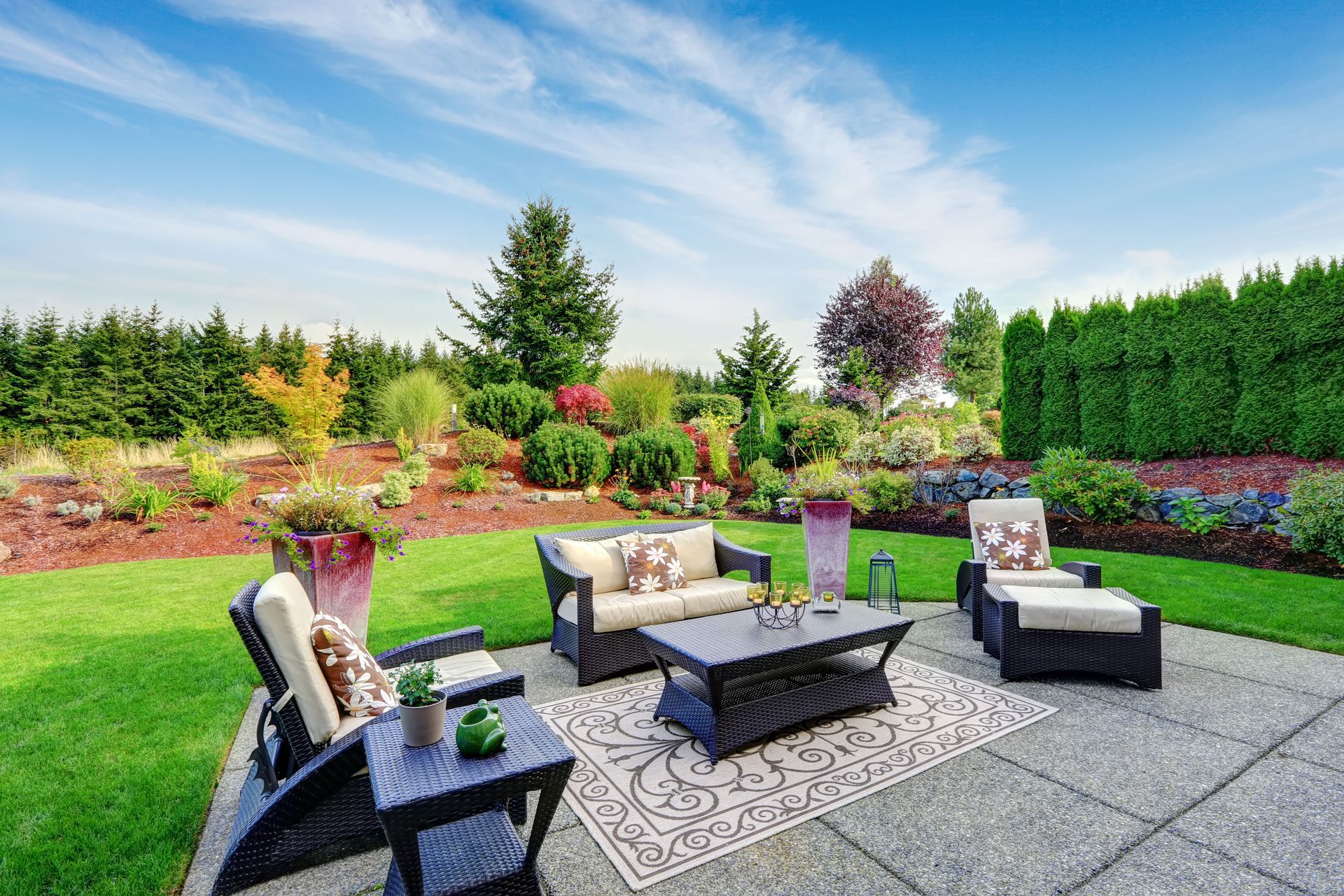
Outdoor living spaces are extensions of our home environment, providing additional areas for relaxation and socialization. Neglecting to plan these spaces means missing opportunities to enhance your outdoor lifestyle. These areas should reflect personal preferences, from dining patios to fire pits or lounges. A well-placed outdoor living area can increase your property's usability, encouraging family gatherings and outdoor activities. Thoughtful design considers views, privacy, and accessibility to create inviting and functional outdoor spaces.
Lacking Accessible and Safe Pathways
Pathways are fundamental in connecting different areas of the garden, ensuring ease and safety of movement. Poorly planned paths can lead to trampled plants and uneven wear across the landscape. It's crucial to consider accessibility, especially for mobility-impaired users, ensuring paths are wide, stable, and slip-resistant. Consistent materials and clear layouts enhance both safety and aesthetic appeal. Well-designed pathways guide visitors through your landscape, showcasing its beauty and functionality.
5. Mismanagement of Soil and Drainage
Overlooking Soil Quality and Composition
The success of any landscape is rooted in the quality of its soil. Ignoring soil composition can lead to plant failure and poor growth. Conducting soil tests offers insights into pH levels, nutrient availability, and type, guiding amendments and plant selection. Amending poor soil with organic matter can improve its structure and fertility. By addressing soil deficiencies before planting, homeowners can establish a strong foundation for their garden.
Ignoring Proper Drainage Solutions
Proper drainage is crucial in preventing waterlogging and erosion, which can severely damage a landscape. Ignoring drainage needs can result in root rot, plant stress, and structural issues. Solutions like French drains and rain gardens can be implemented to manage excess water. Evaluating drainage requirements early in the design process prevents costly water damage later on. Effective drainage ensures that rainfall nourishes rather than hinders the garden's growth.
6. Sustainability Mistakes
Neglecting to Use Eco-Friendly Materials
Eco-friendly materials minimize environmental impact and support sustainable design. Choosing recycled, locally-sourced, and sustainable materials for hardscape features reduces the carbon footprint of a project. Avoiding chemical-laden treatments or non-biodegradable plastics supports healthier soil and water systems. The use of permeable paving reduces runoff and aids in groundwater recharge, further enhancing sustainability. Responsible material choices create an environmentally-conscious landscape that lasts.
Failing to Implement Energy-Efficient Lighting
Incorporating energy-efficient lighting contributes significantly to sustainable landscape design. LED lights consume less electricity and have a longer lifespan compared to traditional bulbs. Thoughtful placement of lighting enhances safety, navigation, and ambiance without excessive energy use. Solar-powered options offer renewable energy alternatives, reducing costs and environmental impact. By investing in energy-efficient lighting, homeowners can enjoy well-lit outdoor spaces while conserving resources.
Successful landscape renovation requires careful planning and mindful decision-making. By avoiding these common mistakes, homeowners can create outdoor spaces that are not only visually appealing but also functional, sustainable, and enjoyable for years to come. Thoughtful consideration of each aspect will lead to outcomes that enhance both the property and the quality of life of those who inhabit it. Emphasizing sustainability and careful selection ensures that the landscape not only meets present needs but also continues to provide value in the future. These practices align with the growing trend among homeowners, who increasingly prioritize outdoor landscaping when considering home improvements. If you're looking for a
landscaping business who will partner with you to avoid these mistakes and ensure your vision becomes reality, reach out to Cosco Landscape Co today!
Share On: