
The Environmental Benefits of Thoughtful Landscaping
Thoughtful landscaping can do much more than improve the appearance of a property. The way plants, trees, lawns, and outdoor surfaces are arranged can influence water use, soil health, local temperatures, and the habitat available to wildlife. Well-planned landscapes can also reduce unnecessary maintenance demands and help properties respond more effectively to seasonal weather. By considering environmental impacts alongside appearance and function, homeowners and property managers can create outdoor spaces that contribute positively to the surrounding area.
Conserving Water Through Smarter Landscape Design
Water conservation is one of the most important environmental benefits of thoughtful landscaping. Plant selection, soil conditions, sunlight, and the layout of outdoor spaces all affect how much irrigation a property needs. Choosing vegetation suited to the local climate can reduce reliance on supplemental watering once plants are established. Landscaper businesses can evaluate site conditions and recommend planting plans that balance the property's appearance with realistic water needs.
Efficient irrigation design can also help limit waste. Systems planned around plant requirements, soil type, and areas of sun or shade can distribute water more effectively than a uniform approach across the entire property. Rain sensors, drip irrigation, and appropriately zoned systems may further reduce unnecessary watering when they are suitable for the site. These decisions help preserve local water resources while supporting healthy plant growth.
Improving Soil Health and Reducing Erosion
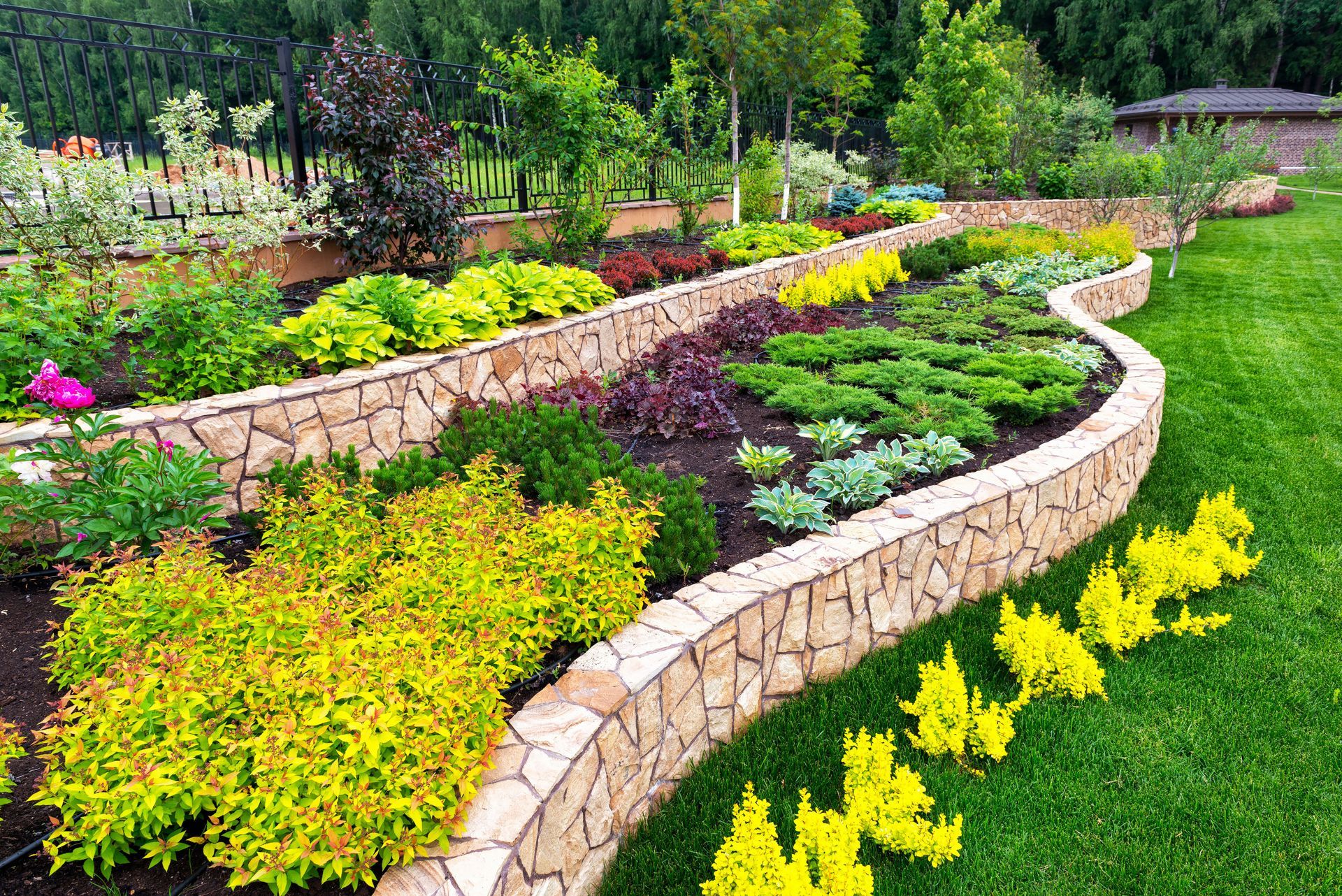
Healthy soil supports plant growth, stores water, and provides habitat for a range of organisms. Landscaping decisions can either protect this resource or leave it vulnerable to compaction and erosion. Ground cover, established root systems, and carefully placed planting beds help hold soil in place during heavy rainfall. Landscaper businesses can assess slopes, drainage patterns, and soil conditions to determine where vegetation or other landscape features may help reduce soil loss.
Soil health also benefits from thoughtful management of organic material. Leaves, wood-based mulch, and suitable compost can contribute organic matter as they break down, depending on the landscape's needs and maintenance practices. Healthy soil structure can improve infiltration and help roots access moisture and nutrients. Reducing unnecessary disturbance and selecting plants suited to existing conditions can support a more resilient landscape over time.
Supporting Pollinators and Local Wildlife
Landscapes can provide valuable food sources and shelter for pollinators, birds, and other wildlife, particularly in areas where natural habitat has been reduced. Flowering plants that bloom at different times can offer nectar and pollen across more of the growing season. Native plants are often well adapted to regional conditions and may support local insects and birds that depend on particular plant relationships. A thoughtful planting plan considers these ecological connections rather than focusing only on color or ornamental appeal.
Habitat value also depends on how plants are arranged and maintained. Layering trees, shrubs, flowering perennials, and ground covers can create different shelter and feeding opportunities. Reducing unnecessary chemical treatments and retaining suitable plant diversity may further support beneficial insects and other wildlife. Landscaper businesses can help property owners incorporate habitat-friendly features while ensuring that plant choices remain appropriate for the site and its intended use.
Reducing Urban Heat and Improving Shade
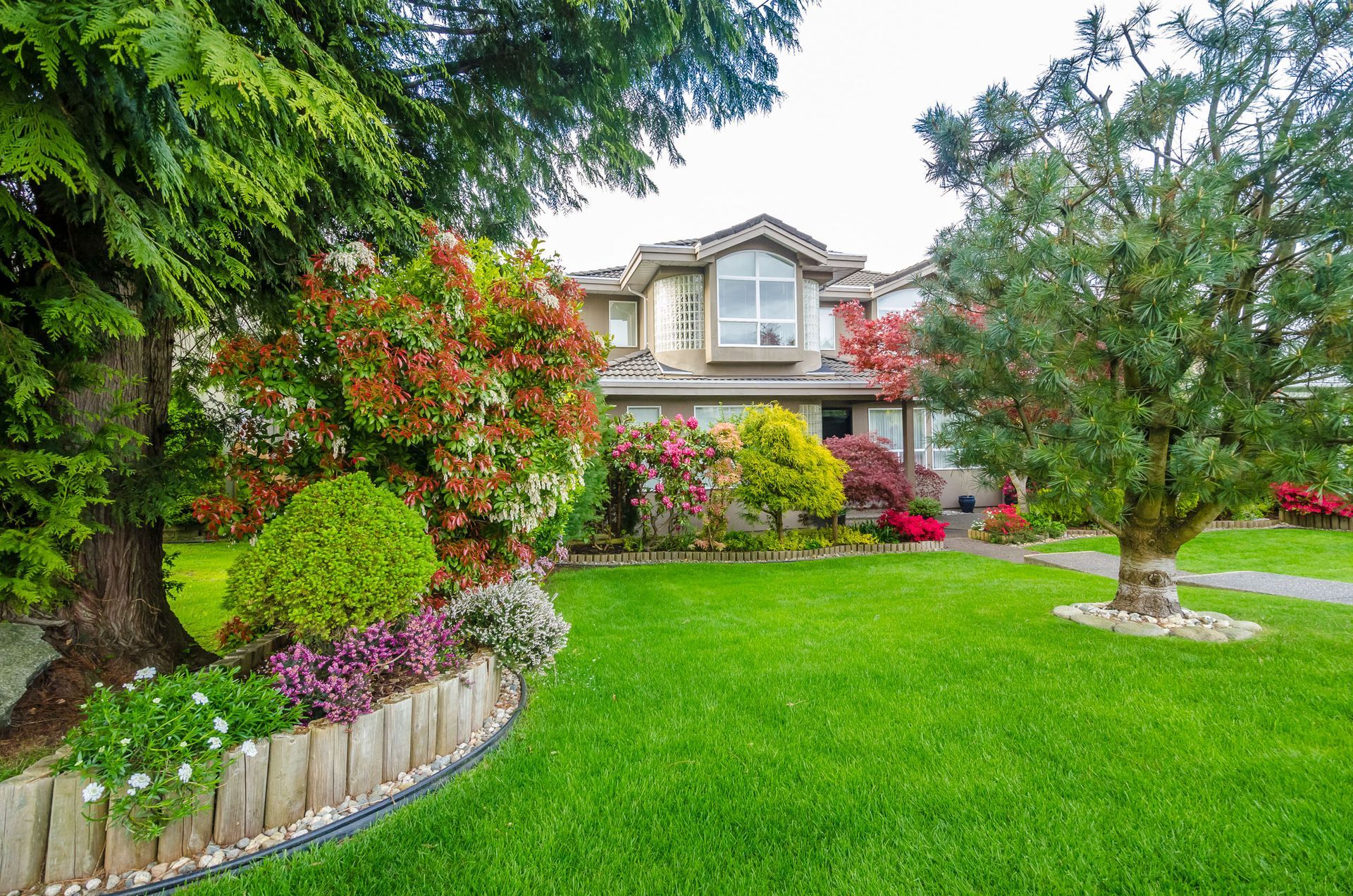
Hard surfaces such as asphalt, concrete, and rooftops absorb and retain heat, which can make developed areas warmer than nearby vegetated spaces. Trees and other plants can moderate local conditions by providing shade and releasing water vapor through transpiration. Strategic placement of canopy trees near buildings, walkways, and outdoor gathering areas can improve comfort during hot weather. These benefits depend on mature tree size, species selection, available space, and long-term care.
Vegetation can also protect some building surfaces from direct sun exposure, potentially reducing heat gain in nearby interiors. A landscape plan should account for roots, overhead clearance, utility lines, and the eventual spread of branches to avoid conflicts as trees mature. Landscaper businesses can help determine suitable locations for shade trees while accounting for the property's layout and existing structures. With careful planning, planted areas can contribute to more comfortable outdoor spaces and help moderate heat around a property.
Managing Rainwater and Supporting Drainage
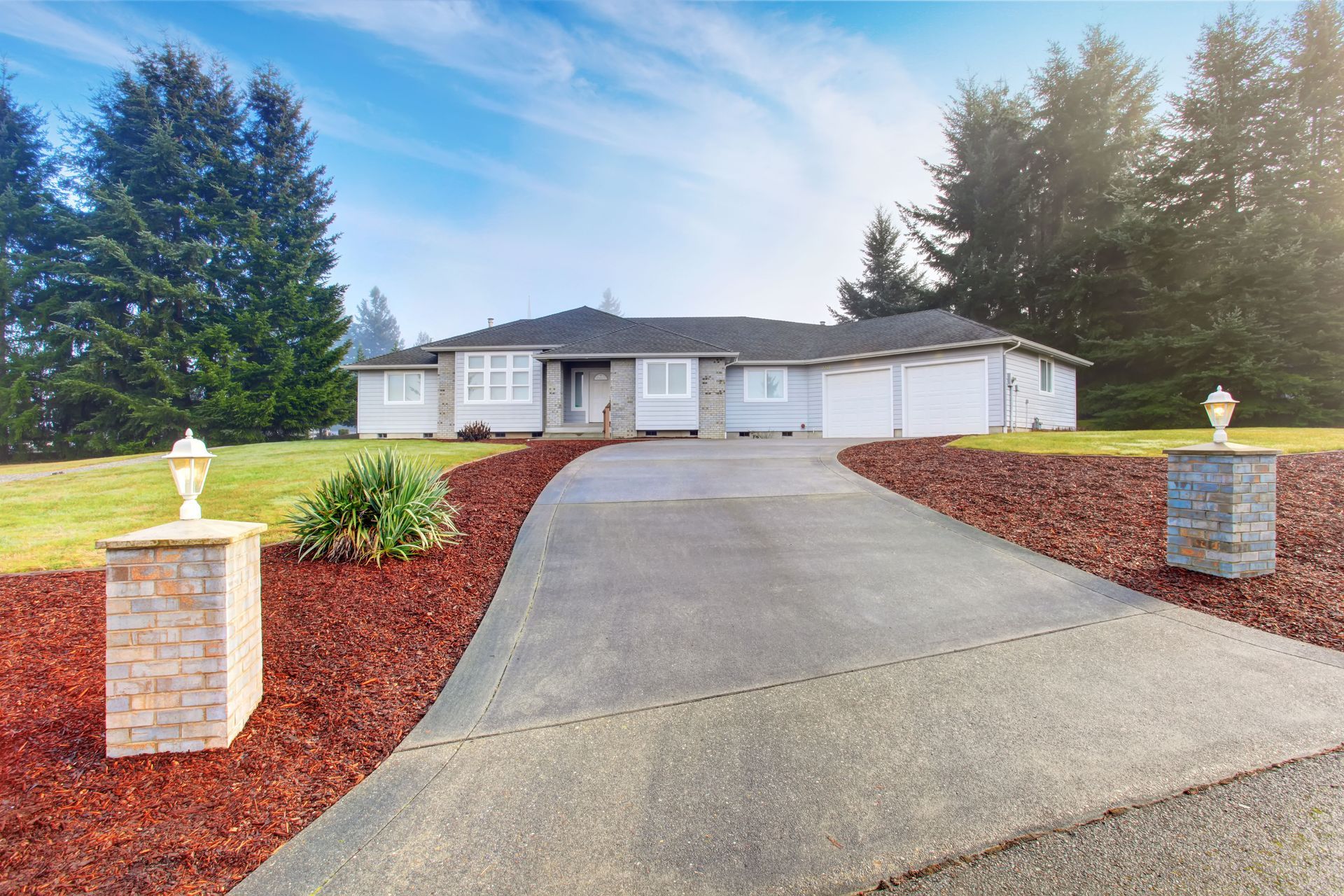
Rainfall that runs quickly across roofs, driveways, and paved areas can carry sediment and pollutants into storm drains and nearby waterways. Thoughtful landscaping can help slow that movement and encourage more water to soak into the ground where conditions allow. Permeable surfaces, rain gardens, vegetated swales, and properly designed planting beds can form part of a broader stormwater strategy. Their suitability depends on soil permeability, slope, groundwater conditions, and the amount of runoff a site receives.
Plant roots and soil organisms can support infiltration while vegetation helps stabilize the ground. Landscape features must still be designed to direct excess water safely away from foundations, walkways, and other vulnerable areas. A coordinated design considers how grading, planting, and drainage elements work together instead of treating them as separate concerns. This approach can reduce erosion and help manage runoff while protecting the property and surrounding environment.
Limiting Waste and Using Resources Efficiently
Environmental planning includes considering what happens to landscape materials after routine maintenance. Grass clippings, leaves, branches, and other organic debris may be suitable for composting, mulching, or other local reuse programs, depending on the material and available services. Keeping appropriate organic matter in the landscape can reduce the volume sent to disposal facilities and return nutrients to the soil. Efficient planning can also limit unnecessary material use during installation and ongoing maintenance.
Selecting durable materials and plants suited to the local climate can reduce replacement needs over time. Grouping plants with similar water and sunlight requirements may simplify irrigation and care, while choosing suitable mature sizes can limit repeated pruning or removal. Landscaper businesses can help plan for long-term performance instead of relying on frequent replacements to maintain the original design. Resource-conscious decisions can benefit the property while reducing avoidable waste.
Choosing Plants That Fit Local Conditions
Plant selection has lasting environmental consequences because different species have different requirements for water, light, soil, and maintenance. Plants suited to local conditions are often more likely to establish successfully and remain healthy with appropriate care. Native and regionally adapted species can be valuable options, although the right selection depends on the site, the intended design, and potential concerns such as invasiveness or disease susceptibility. Diversity also matters because relying heavily on one species can leave a landscape more vulnerable to pests or changing weather.
A well-designed planting plan accounts for how the landscape will develop over time. Trees need room for their mature canopy and root systems, while shrubs and perennials must be positioned according to their eventual size and growth habits. Landscaper businesses can evaluate these requirements and select plants that suit the property's conditions and environmental objectives. Matching plants to their surroundings can reduce unnecessary watering, replacement, and intensive maintenance while helping the landscape fit more naturally into the local environment.
Planning for Long-Term Environmental Benefits
Environmental benefits are strongest when landscaping is treated as an ongoing system rather than a one-time installation. Seasonal maintenance, irrigation adjustments, soil care, pruning, and monitoring for plant stress can all influence how well a landscape performs. Conditions may change as trees grow, nearby construction alters drainage, or weather patterns shift. Periodic professional assessments can identify adjustments that help maintain the original environmental goals.
According to IBISWorld, the U.S. landscaping services industry is projected to reach a market size of $188.8 billion in 2026, reflecting the substantial scale of professional landscaping activity. The industry encompasses a wide range of services, so the figure does not mean every project prioritizes environmental outcomes. Property owners can still make sustainability a central part of their project by discussing water conservation, habitat support, soil protection, and long-term maintenance needs with
landscaper businesses. Clear goals help guide design choices and give the landscape a better chance of delivering lasting value.
Thoughtful landscaping can support a property's appearance while also addressing water use, soil health, wildlife habitat, shade, and stormwater management. At Cosco Landscape Co, we can help you evaluate your outdoor space and consider design and maintenance options that align with its conditions and your priorities. We focus on planning landscapes around the property's practical needs, plant selection, and long-term care requirements. Contact Cosco Landscape Co to discuss your landscaping goals and explore ways to create an outdoor environment that serves your property and the surrounding community.
Share On: